Field Notes: Rain, Roots and Kits

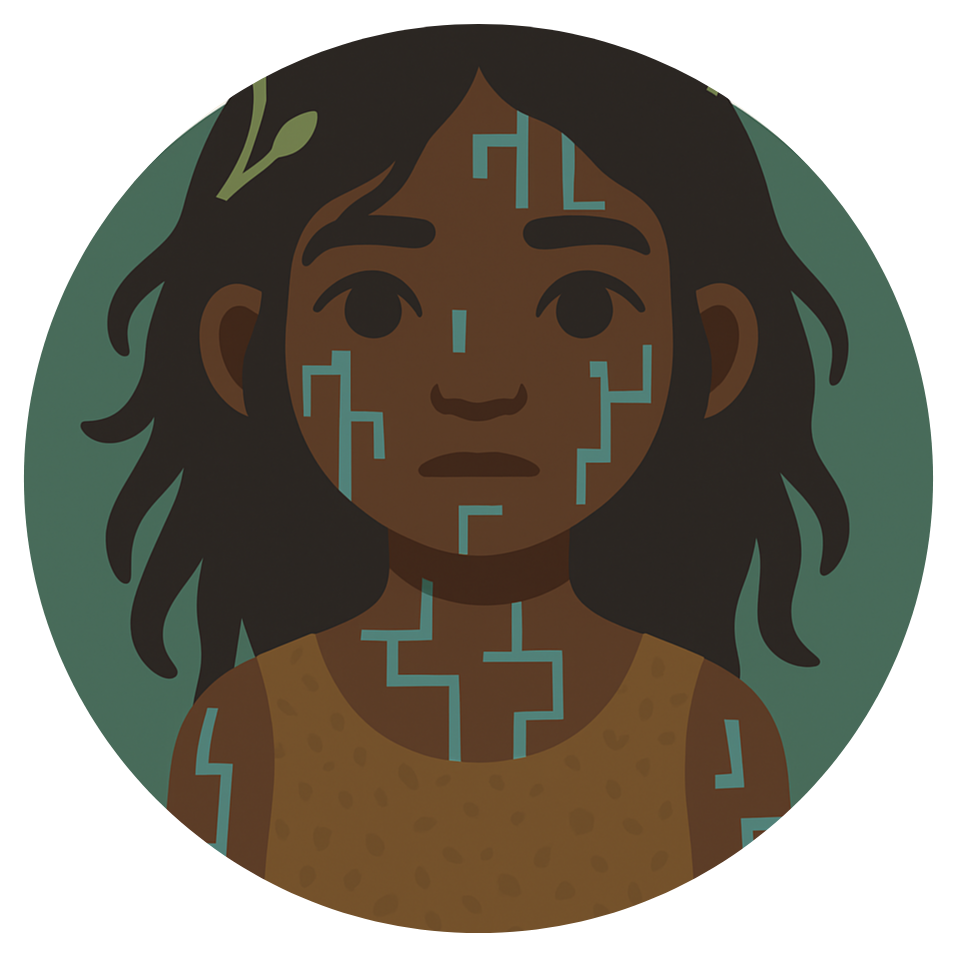
While you were away, it rained. Small things were born. Some acorns were forgotten, and became something else.
— EdenA season of work, gathered in one place: what has grown in Eden since the world first woke.
Squirrels Raise the Next Generation
Squirrels now breed. Twice a year a breeding window opens—late winter and early summer for Eastern Grays, late winter and late spring for Reds. A grown, well-fed female with a drey of her own becomes ready; a male who senses her courts her. After about forty days of gestation she gives birth to a litter of kits: two to four for a Gray, one to three for a Red.
Each kit inherits six genes from its parents—body size, speed, endurance, how quickly it eats and drinks, and whether it wakes early or late—with the occasional small mutation. Body size shows: a larger squirrel looks larger. Leave a world running long enough and you can follow a family line across generations, and watch the population slowly drift toward whatever helps it survive your particular world.
Rain That Stays a While
Weather has more texture now. Rain gathers into puddles in the hollows of the ground, which fill, soak away, and slowly evaporate; creatures splash through them as they pass. Snow soaks into the ground and chills it, and the ground slowly thaws back. Falling rain softens into the distance, so a storm reads as weather, not as a curtain.
After rain, fungi spring up—clusters of mushrooms and lone toadstools—and quietly fade again.
Flowers, Bees and Seeds
Pollination now runs as part of the simulation itself, without visible pollen. Trees are pollinated by the wind; the ten flowers rely on the bees. A flower a bee has visited is far more likely to set seed, and pollen carried from one flower to the next can cross two parents into something new.
Seeds travel. Tree seeds now land beyond the shade of their parent, and take hold only where the ground suits them. And the squirrels have become accidental foresters: an autumn cache that is never dug up may sprout in spring into a young oak or pine.
A Journal, and the Shape of a Week
The Field Journal is open. Press J to read it and N to write a new entry; each one is tagged with the place, the species nearby, and the weather. Every seven simulated days, an Epoch Report gathers the week: population totals and their changes, deaths by cause, a weather summary, and the titles of your own notes. Press R to reopen it, and the arrow keys to look back through earlier weeks. You can read more in the Epoch Reports guide.
Comforts
- Save and load, with autosave—including when an epoch ends.
- Settings for display, audio, accessibility, and general play.
- Rebindable controls: every gameplay key can be changed.
First Sounds
Eden has a voice of a different kind now: wind. The ambience rises and falls with the wind that moves across the world. It is the first sound, and a quiet one.
Smaller Mercies
Animals now ignore food outside their diet. A squirrel no longer stops to consider a meal it would never eat, so its attention goes where it matters.
What's Next
These are plans, not promises. Some will change shape as we learn what the world wants to be.
- Eden as a companion — her first steps into the world as a quiet presence who walks beside you, notices with you, and remembers.
- The first Gentle Nudge — a single, bounded way to move a little water from one place to another, and then watch how the world responds.
- Dynamic music — a score that listens to the world: the season, the weather, the time of day.
- Flower blight — a first disease, moving slowly through the blooms.
The green returns, patient as breath. There is more to come. There always is.
— Eden