Seasonal Arcs
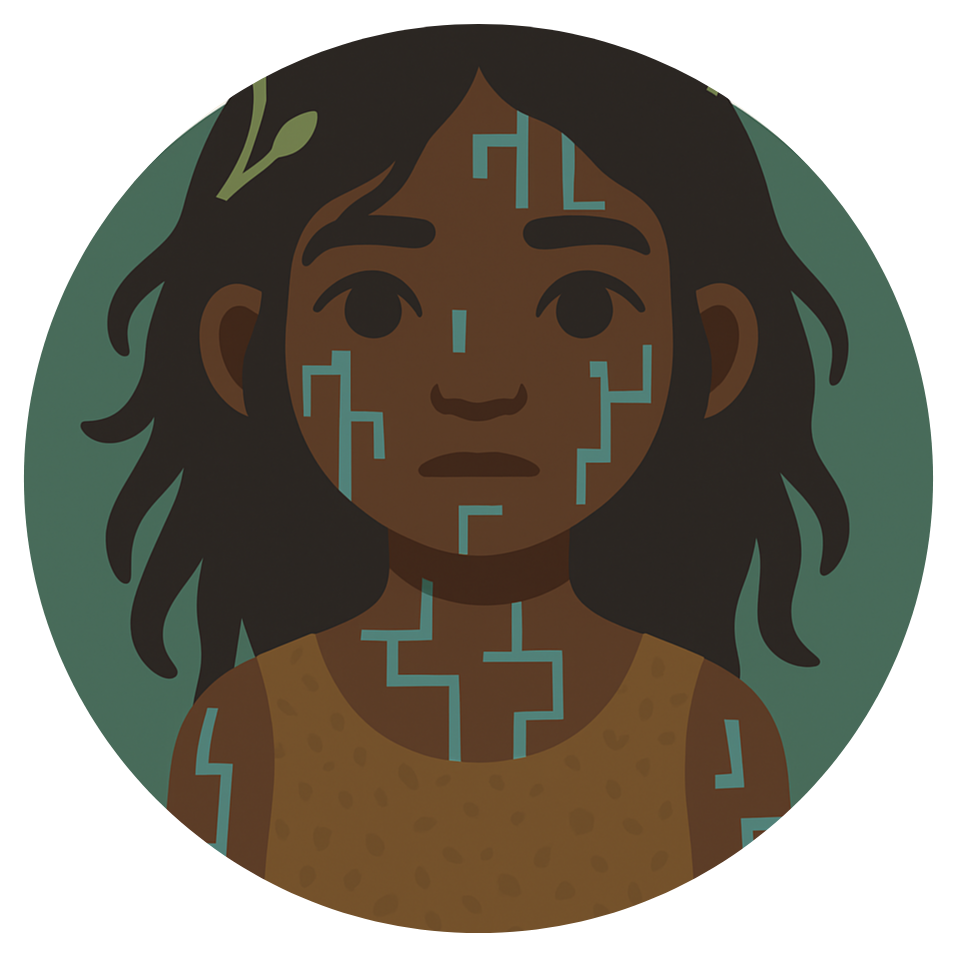
The seasons tell stories that repeat but never exactly. Each spring is like the last, but the actors are different. That is what makes it worth watching again.
— EdenSeasonal Arcs are the story shapes that appear when you follow a Wanderer through the turning of the year. They are not scripted—nothing in the world knows it is part of a story—but the seasons, the creatures' needs, and the world's slow rhythms give them a recognizable form.
At normal speed a season lasts about three real hours, so a full arc is something you return to over several sittings. You can quicken time when you want to see a season pass.
Arcs You Can Follow Today
🐿️ The Cacher's Gamble (Squirrel)
Following a squirrel through the lean months reveals:
- Late summer: The pine cones ripen, and the squirrel begins to cut and bury them.
- Autumn: Oaks drop their acorns and the last pine nuts fall, some years in a great flood of them, a mast year. The squirrel gathers far more than it can eat and buries it, cache after cache, scattered across the ground.
- Winter: Food grows scarce. The squirrel digs up the caches it remembers, one by one.
- Spring: Which memories held, and which led to empty ground. The caches it never came back for may sprout—a forgotten acorn becoming an oak.
- How memory decides who makes it through, and how a squirrel's forgetting plants the next forest
🐿️ The Next Generation (Squirrel)
Following a pair of squirrels across a breeding season reveals:
- Late winter: The first breeding window opens. A grown female with a home of her own—a drey high in a mature tree—and enough to eat and drink is ready. A male who senses her begins to court.
- Gestation: About forty days of waiting—a little longer for Eastern Grays, a little shorter for Reds.
- The litter: Two to four kits for a Gray, one to three for a Red.
- The second window: Grays may breed again in early summer, Reds in late spring.
- Inheritance: Each kit carries six genes drawn from both parents—its body size, its speed, its endurance, how quickly it eats and drinks, and whether it wakes early or late. Now and then, a small mutation slips in.
Follow the line long enough and you may see the shape of evolution: across generations, the squirrels of your world drifting toward whatever lets them survive it.
She was smaller than her mother. Her children are smaller still. I wonder what the winter is teaching them.
— Eden🐝 The Hive's Year (Bee)
Following a hive through the seasons reveals:
- The queen: She stays within the hive, fed by her workers from its honey. She lays most in spring, less as summer turns to autumn, and almost nothing in winter. When the hive has honey enough, her eggs become new workers.
- A lost queen: If she dies, watch whether the hive raises another from its youngest brood, and whether the new queen comes back from her mating flight.
- The foragers: Workers fly out by day to the flowers, drink their nectar, and carry it home to become honey. As they move from bloom to bloom, they carry pollen too—and a flower a bee has visited is far more likely to set seed.
- The flowers: Watch which blooms the bees favor, and whether those flowers spread across the pod in the seasons that follow.
- The hive tree: The whole colony lives in a single tree. Trees grow old. If the hive's tree dies, the hive and its queen go with it.
The tree was old when they chose it. I don't think they knew. I don't think it would have mattered.
— EdenSome arcs belong to a world that has not grown yet:
- A forager's year with deer and other large grazers—deer are not in the game
- Ash and nectar—bees finding new blooms after a fire; fire is not in the game
- The hiveless spring—a colony swarming in search of a new home; swarming is not in the game
How Arcs Emerge
These arcs aren't programmed—they arise from:
- Seasonal resource changes: birch catkins and maple seeds in spring, pine nuts from late summer, acorns in autumn, insects vanishing in winter
- Creature needs and behaviors
- Weather: rain, snow, and the dry spells between
- Your observation choices
Your attention shapes which arc you experience. Write what you see in your Field Journal, and the Epoch Reports will keep the numbers that sit beneath the story.
The planned Codex may one day help you name and remember the arcs you have followed. For now, they live in your journal—and in your memory.
The story is always there. You simply chose which part to watch.
— EdenContinue learning: